Optimal Timing for Garden Pond Installations
Understanding the optimal timing for garden pond installations can influence the longevity and success of the pond. The best time generally depends on climate, soil conditions, and plant requirements, ensuring proper settling and minimal disruption.
Spring offers moderate temperatures and increased rainfall, which help with pond settling and plant growth. Early spring allows for installation before heat intensifies.
Summer is suitable in cooler regions but requires attention to heat and evaporation. Adequate watering and shading are essential during this period.
Fall provides cooler weather and less intense sunlight, reducing stress on new pond ecosystems. It allows plants to establish before winter.
Winter is generally not recommended due to freezing temperatures, which can hinder installation and damage equipment. In milder climates, it may be possible with precautions.
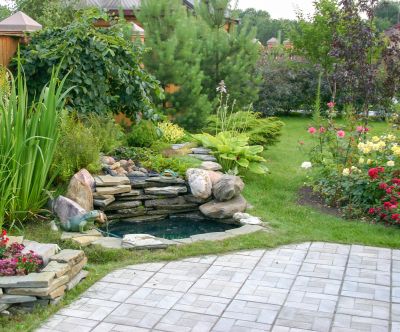
Ways to make Garden Pond Installations work in tight or awkward layouts.
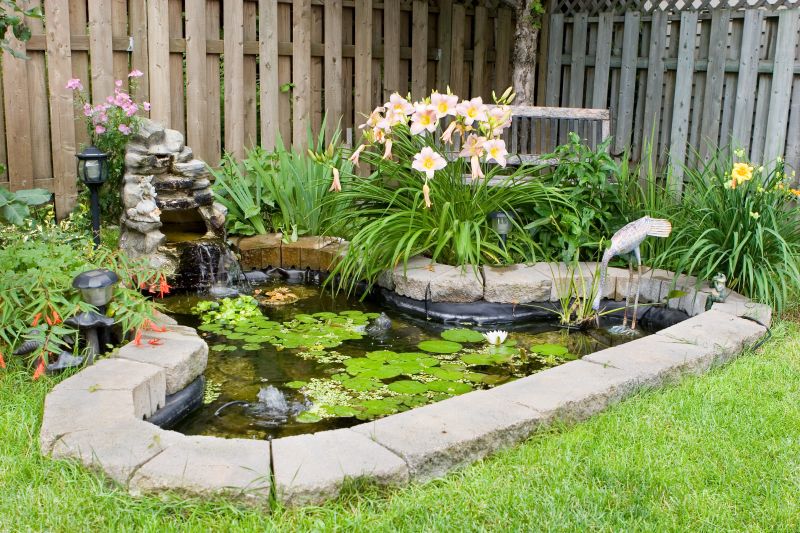
Popular materials for Garden Pond Installations and why they hold up over time.
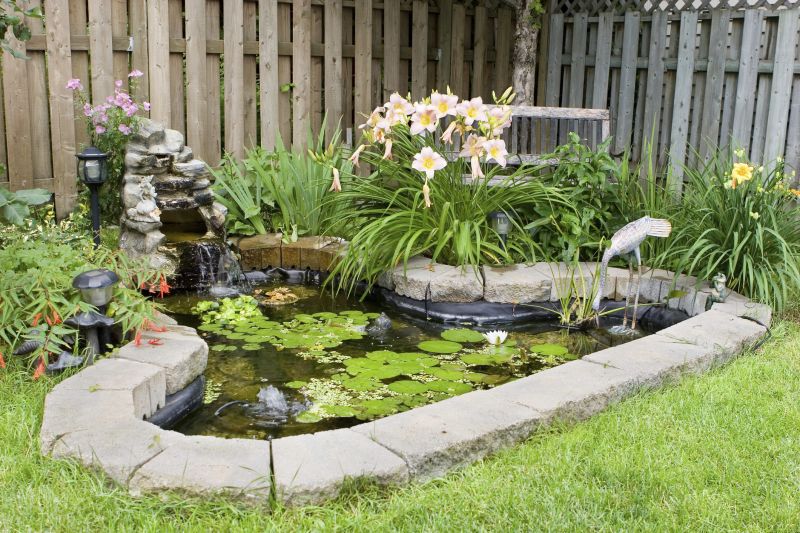
Simple add-ons that improve Garden Pond Installations without blowing the budget.
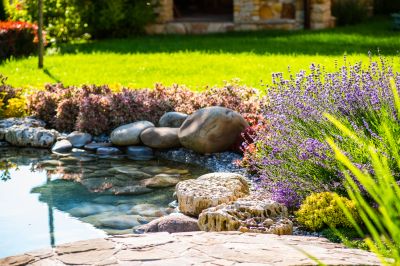
High-end options that actually feel worth it for Garden Pond Installations.
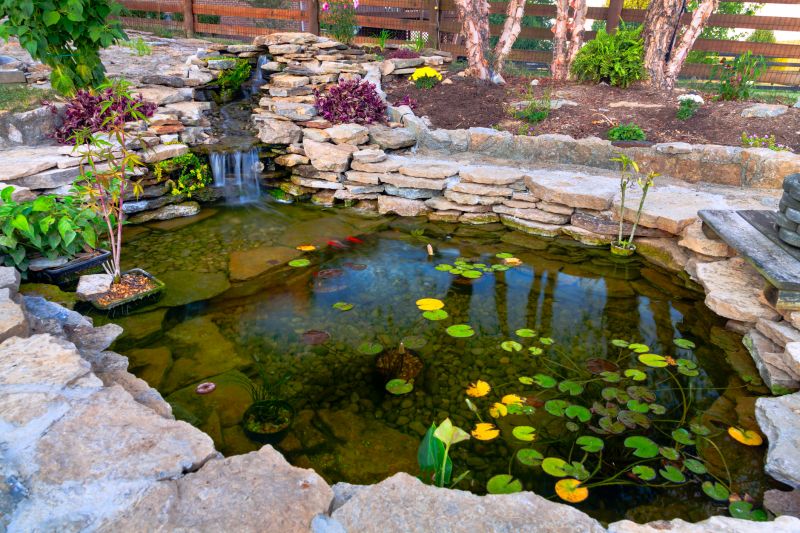
Finishes and colors that play nicely with Garden Pond Installations.
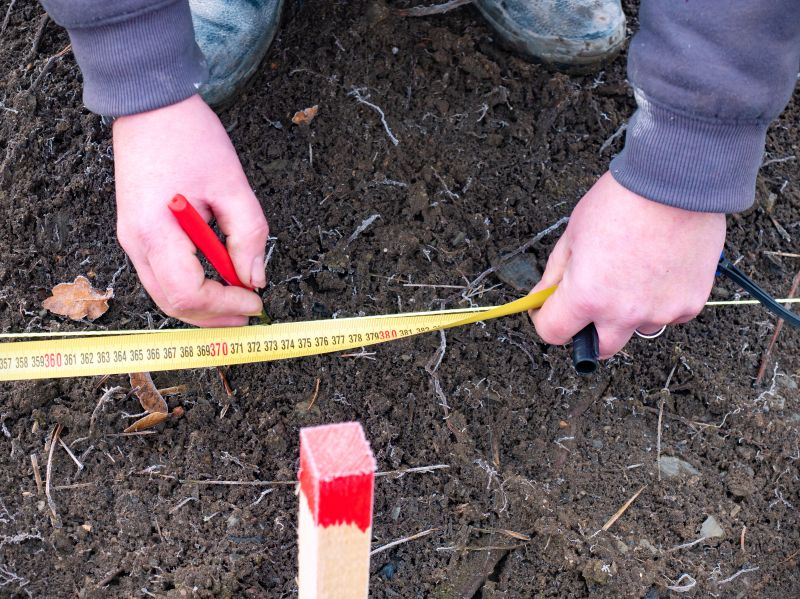
Little measurements that prevent headaches on Garden Pond Installations day.
Garden pond installations involve multiple steps, including site assessment, excavation, lining, and planting. Proper timing ensures that the pond integrates smoothly into the landscape and functions effectively. Seasonal considerations affect the selection of materials, plant choices, and construction techniques. For instance, installing in spring or fall allows for better environmental conditions, reducing the risk of damage from extreme weather.
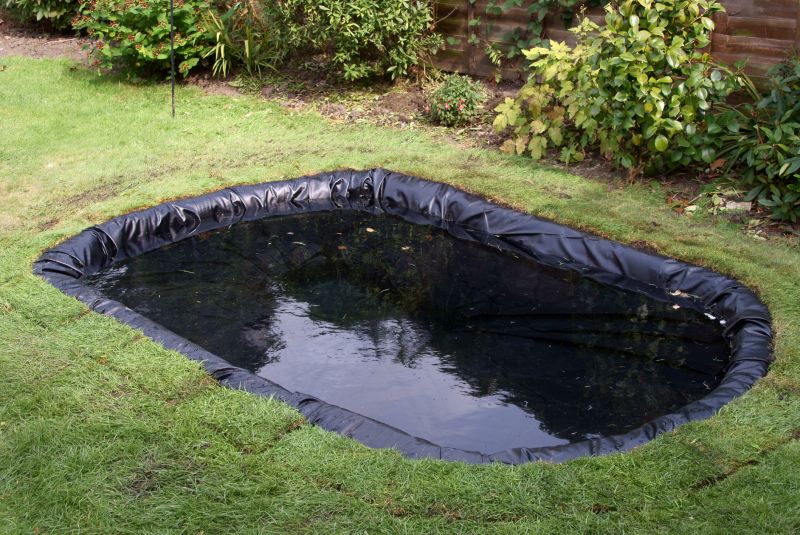
A 60-second routine that keeps Garden Pond Installations looking new.
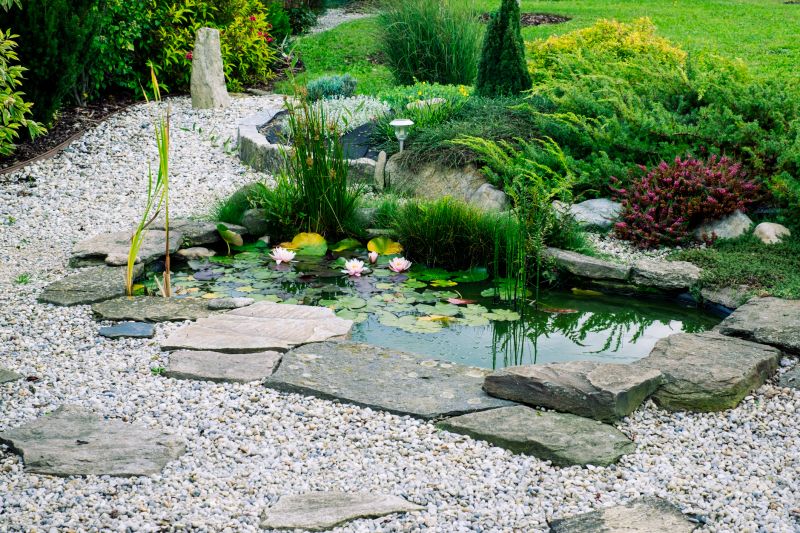
A frequent mistake in Garden Pond Installations and how to dodge it.
Small tweaks to make Garden Pond Installations safer and easier to use.
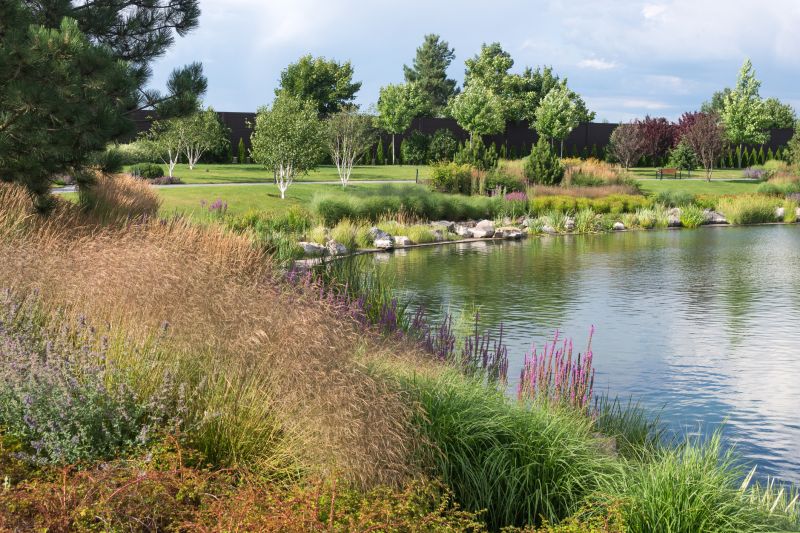
Lower-waste or water-saving choices for Garden Pond Installations.
| Season | Advantages |
|---|---|
| Spring | Ideal for plant growth, moderate temperatures, increased rainfall |
| Summer | Longer daylight hours, good for pond features in cooler regions |
| Fall | Cooler weather, less sunlight, good for plant establishment |
| Winter | Generally not recommended due to freezing temperatures |
Selecting the appropriate season for garden pond installation can enhance durability and visual appeal. Proper planning and timing help ensure that the pond integrates seamlessly into the landscape, providing enjoyment and ecological benefits for years to come.
The short, realistic tool list for quality Garden Pond Installations.
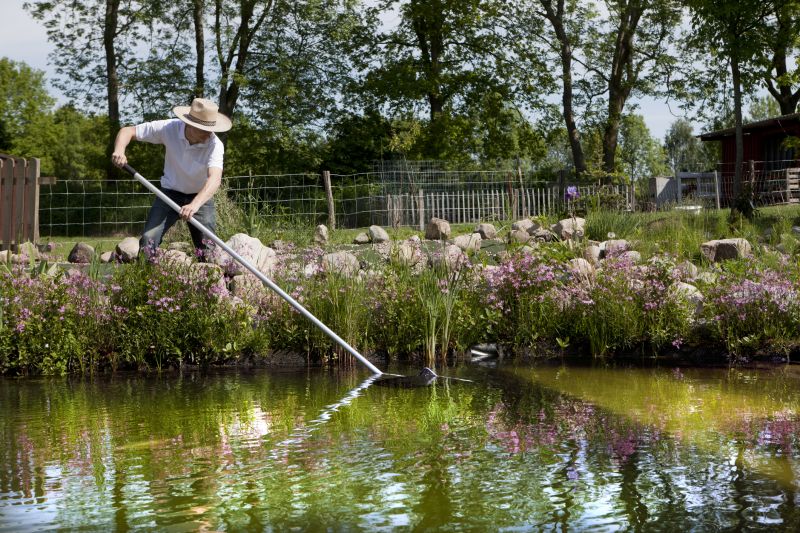
Rough timing from prep to clean-up for Garden Pond Installations.
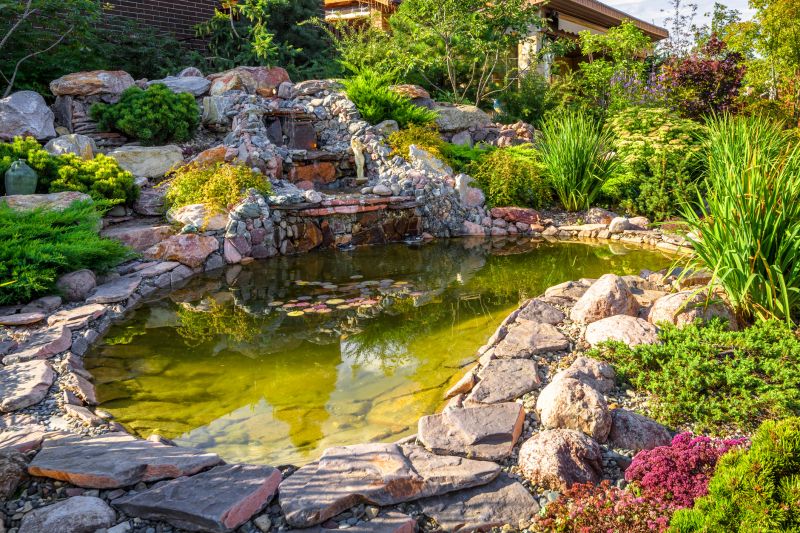
Quick checks and paperwork to keep after Garden Pond Installations.
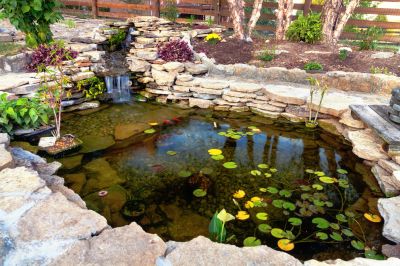
Examples that show the impact a good Garden Pond Installations can make.
For those interested in garden pond installations, filling out the contact form can provide additional information and assistance. Proper timing and preparation are key to creating a sustainable and attractive pond feature that complements the landscape.